
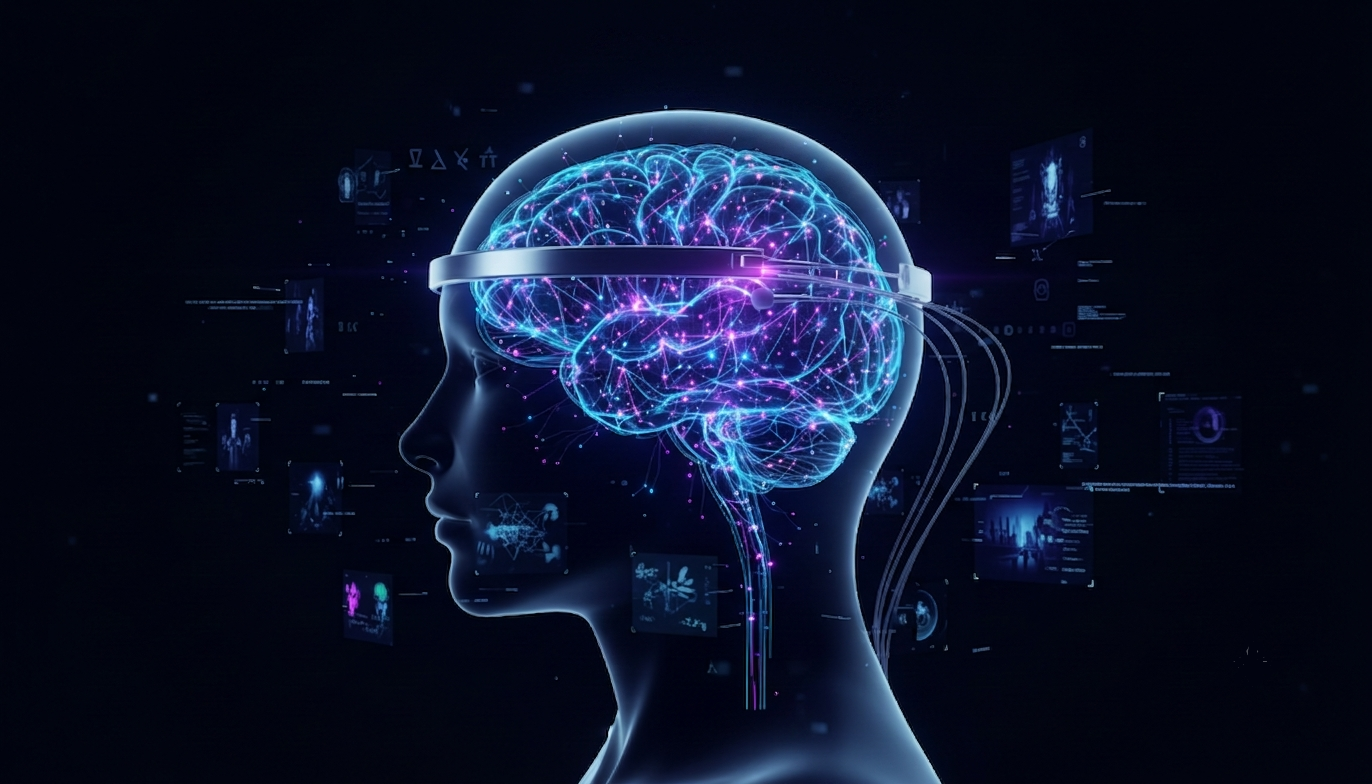
Imagine being able to recall a conversation from a decade ago in vivid detail, or instantly accessing critical information without ever having to look at a book, computer, or smartphone. While this may sound like pure science fiction, researchers around the globe are developing technologies that could profoundly transform how we store and retrieve our memories.
But will it truly be possible to remember everything in the future?
How Human Memory Works
Our memory is formed by a complex network of neurons connected by synapses. Each experience, learning process, or emotion generates changes in these connections, allowing information to be stored and retrieved later.
However, human memory is far from perfect. Over time, details are forgotten, memories can become fragmented, and factors such as stress, lack of sleep, and aging affect our ability to recall information.
It is precisely this natural limitation that scientists are seeking to overcome.
Technologies Emerging Today
In recent years, researchers have made breakthroughs in areas that once seemed impossible.
Artificial Intelligence systems already assist doctors in analyzing neurological diseases and help researchers better understand how the human brain functions.
At the same time, new brain stimulation techniques are being studied to improve learning and assist patients with cognitive difficulties.
Although still in their early stages, these advancements point toward a future where memory could be significantly expanded.
Brain-Machine Interfaces: The Next Big Step
One of the most promising areas is Brain-Machine Interfaces (BMIs).
These systems allow the creation of a direct bridge between the human brain and computers.
Currently, research is primarily focused on medical applications, such as allowing paralyzed individuals to control computers or devices using only their thoughts.
In the future, however, applications could go much further.
Experts believe that advanced interfaces could assist in recovering memories, facilitate the learning of new skills, and even offer instant access to digitally stored information.
Will BMIs Be Implants or External Devices?
Probably both.
External versions are expected to be the first to achieve widespread popularity. Smart glasses, advanced headphones, and wearable devices will be able to monitor brain signals without the need for surgery.
On the other hand, intracranial versions, which require implants, could offer more advanced capabilities due to their direct connection to the brain. However, safety concerns, costs, and regulations are likely to initially limit their use to specific medical applications.
For many years, both models are expected to coexist.
Medications to Improve Memory
Another area drawing immense interest is cognitive pharmacology.
Researchers are studying medications capable of protecting neurons, slowing down cognitive decline associated with aging, and improving certain learning processes.
Furthermore, treatments for diseases like Alzheimer's and other forms of dementia continue to advance, bringing hope to millions of people around the world.
Although a "perfect memory pill" does not yet exist, scientific advancements suggest that the preservation of cognitive abilities could improve significantly in the coming decades.
Will It Be Possible to Remember Everything?
The most likely answer is: not exactly.
The human brain was not designed to store every detail permanently. Forgetting also serves an important function, helping us filter information and avoid mental overload.
However, future technologies could drastically reduce current limitations, allowing us to retrieve information with greater ease and preserve important memories for much longer periods.
Instead of remembering absolutely everything, perhaps we will be able to choose what we want to preserve and access that information whenever necessary.
The Future of Human Memory
We are entering an era where Artificial Intelligence, neuroscience, and digital technology are walking closer and closer together.
The coming decades could bring devices capable of expanding our cognitive abilities, protecting our memories, and transforming the way we learn.
If these technologies are developed in a safe and responsible manner, human memory could become one of the areas most impacted by the technological revolution of the 21st century.
The question, perhaps, is not whether we will be able to remember everything, but how far we will be willing to expand the natural limits of the human mind.
And you? Would you use a brain-machine interface to expand your memory, or do you prefer these technologies to remain external to the body? Share your opinion and follow Exponential Future to explore the next frontiers of technology and the human mind.
📚Recommended Reading: Expanding the Limits of the Mind
If you are interested in science, neuroplasticity, and want a deep understanding of how to protect and optimize your cognitive functions for the future, there are essential works that approach memory from a revolutionary perspective.
-
Check out the book "The End of Alzheimer's" on Amazon Written by renowned neurologist Dr. Dale Bredesen, this book presents the first practical program to prevent and reverse cognitive decline. Combining scientific rigor with an integrative approach, this work deconstructs myths about brain aging and offers an indispensable manual for anyone wishing to keep their mind sharp, focused, and healthy over the decades.
- Check out the book "Super Brain" on Amazon The result of a partnership between one of the world's leading mind-body experts, Deepak Chopra, and a premier neuroscientist, Dr. Rudolph Tanzi, this book is a definitive guide to taking full control of your cognitive potential. The authors reveal how to train your brain to go far beyond its daily limitations, teaching practical methods to expand memory, reduce stress, and keep the mind young, active, and highly resilient over time.
Leave a Reply